


 London Neighbourhoods
Meta Title: London Through the Centuries: A Cultural Journey Through History
Meta Description: Explore London’s fascinating cultural evolution from Roman origins to modern-day global influence. Discover historic landmarks, traditions, art, architecture, and heritage across the centuries.
Introduction
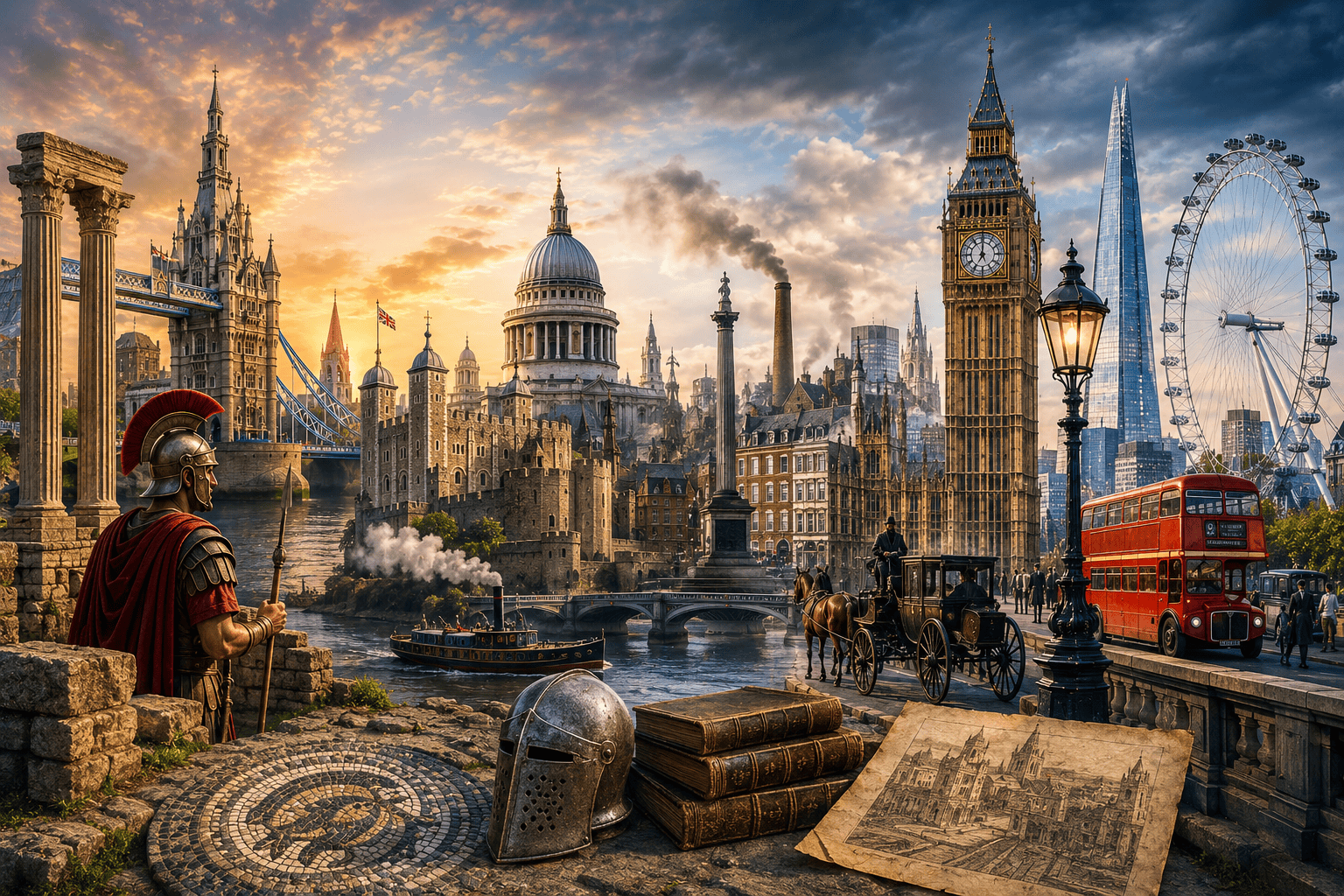
London is more than just the capital of the United Kingdom—it’s a living museum where centuries of history, culture, and innovation coexist. From its beginnings as a Roman settlement to its status as one of the world’s most influential cities, London has continuously evolved while preserving its rich heritage. Every street, monument, and neighborhood tells a story that reflects the city’s remarkable journey through time.
Whether you’re a history enthusiast, a culture lover, or a first-time visitor, exploring London’s past offers a deeper appreciation of its vibrant present.
The Roman Foundations of London
London’s story began nearly 2,000 years ago when the Romans established Londinium around AD 43. Situated along the River Thames, the settlement quickly became a thriving commercial center.
The Romans built roads, markets, public baths, and defensive walls that laid the foundation for the city we know today. Visitors can still discover remnants of Roman London through archaeological sites and museum collections scattered throughout the city.
Highlights of Roman London
- Ancient Roman Wall remains
- Roman amphitheater ruins
- Archaeological exhibits in museums
- Historic Thames trading routes
Medieval London: Growth and Power
Following the Roman era, London emerged as a significant political and economic center during the Middle Ages. The city’s population expanded, trade flourished, and magnificent structures began to shape the skyline.
The construction of churches, castles, and markets reflected London’s growing importance within England and Europe.
Cultural Legacy of Medieval London
- Gothic architecture
- Traditional marketplaces
- Religious institutions
- Historic guilds and trade associations
Many of London’s oldest streets still follow layouts established during this period, providing visitors with a glimpse into medieval urban life.
The Tudor Era: Royal Influence and Transformation
The Tudor period brought dramatic changes to London. As the seat of royal power, the city became a hub of politics, culture, and commerce.
The reigns of monarchs such as Henry VIII and Elizabeth I witnessed significant developments in architecture, governance, and the arts. London’s population grew rapidly, attracting merchants, craftsmen, and intellectuals from across Europe.
Cultural Highlights of the Tudor Period
- Expansion of royal palaces
- Flourishing trade networks
- Rise of English literature
- Growth of theatre and entertainment
This era helped establish London as a cultural powerhouse that would influence generations to come.
Shakespeare’s London and the Golden Age of Theatre
The late 16th and early 17th centuries marked one of London’s most celebrated cultural periods. Theatre became an essential part of city life, drawing audiences from all social classes.
Playwrights transformed London’s entertainment scene, and public theatres became gathering places for storytelling, drama, and artistic expression.
Lasting Contributions
- Development of English theatre
- Literary achievements
- Public performance culture
- Artistic innovation
The city’s literary heritage continues to attract visitors interested in the origins of modern storytelling and performance arts.
Georgian and Victorian London: Innovation and Expansion
The Georgian and Victorian eras transformed London into one of the world’s largest and most influential cities.
Industrialization fueled economic growth, while advances in transportation, engineering, and architecture reshaped urban life. Grand public buildings, museums, railway stations, and cultural institutions emerged during this period.
Victorian Cultural Achievements
- Expansion of public museums
- Development of public parks
- Growth of libraries and education
- Architectural masterpieces
- Scientific and technological innovation
Many of London’s most iconic landmarks date from this transformative era.
London’s Resilience During the 20th Century
The twentieth century brought both challenges and opportunities. London experienced significant social, political, and cultural changes while maintaining its role as a global center.
The city demonstrated remarkable resilience through periods of conflict, reconstruction, and modernization. New cultural movements emerged, influencing music, fashion, literature, and art around the world.
Cultural Evolution
- Modern architecture
- Diverse communities
- Global artistic influence
- Expanding creative industries
- International cultural exchange
London’s ability to adapt while preserving its heritage remains one of its defining characteristics.
Modern London: A Global Cultural Capital
Today, London is one of the most multicultural cities in the world. People from diverse backgrounds contribute to its dynamic identity, creating a rich blend of traditions, cuisines, languages, and artistic expressions.
Historic landmarks stand alongside contemporary architecture, showcasing the city’s balance between preservation and progress.
What Makes Modern London Unique?
- World-renowned museums
- International cuisine
- Diverse cultural festivals
- Theatre and performing arts
- Historic and modern architecture
- Vibrant neighborhoods
Visitors can experience centuries of history while enjoying cutting-edge innovation and creativity.
Exploring London’s Cultural Neighborhoods
Westminster
The heart of British history, politics, and royal tradition.
South Bank
A thriving cultural district filled with arts, entertainment, and riverside attractions.
Covent Garden
Known for its historic charm, street performances, and artistic atmosphere.
Soho
A hub for creativity, music, nightlife, and multicultural experiences.
East London
A modern cultural hotspot featuring street art, galleries, and contemporary design.
Each neighborhood reflects a different chapter of London’s cultural story.
Preserving the Past for Future Generations
One of London’s greatest achievements is its commitment to preserving historical sites while embracing modern development. Conservation projects, museums, heritage organizations, and educational programs help ensure that future generations can continue to learn from the city’s remarkable past.
Historic buildings, monuments, archives, and cultural institutions play a vital role in maintaining London’s unique identity.
Why London’s Cultural History Matters
Understanding London’s cultural evolution provides valuable insight into how cities grow, adapt, and influence the world. Its journey from a Roman trading post to a global metropolis demonstrates the enduring importance of creativity, resilience, diversity, and innovation.
Every era has left its mark, creating a city where history is not confined to museums but remains woven into everyday life.
Conclusion
London’s story spans nearly two millennia, making it one of the most fascinating cultural destinations on Earth. From Roman foundations and medieval markets to royal grandeur, Victorian innovation, and modern multiculturalism, the city offers an unforgettable journey through history.
For travelers seeking more than sightseeing, exploring London’s cultural heritage reveals the people, traditions, and events that have shaped one of the world’s greatest cities. A visit to London is not simply a trip through space—it’s a journey through time itself.
SEO Keywords
Primary Keyword: London Through the Centuries
Secondary Keywords:
- London cultural history
- London heritage journey
- Historical London attractions
- London’s cultural evolution
- History of London
- London historical landmarks
- London travel guide
- Cultural tourism in London
- Explore London’s heritage
- London history and culture


